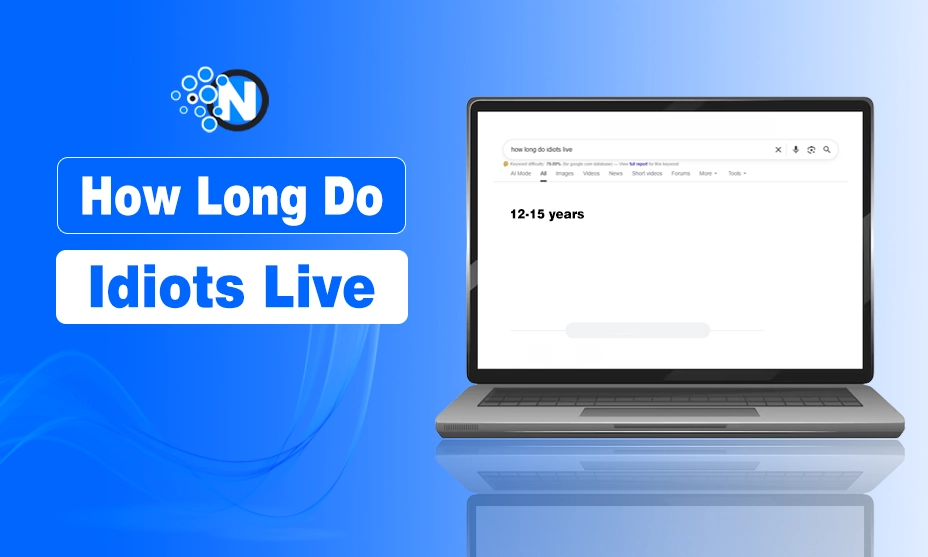
The phrase “how long do idiots live” has become one of the internet’s most recognizable viral search trends in recent years. At first glance, the question sounds strange, offensive, or even confusing. However, the phrase is deeply connected to meme culture, TikTok humor, online jokes, and the way younger internet users communicate through irony and exaggerated comedy. Millions of people search this phrase online not because they are looking for scientific data about intelligence and lifespan, but because they are curious about a viral trend they saw on social media platforms.
Over time, internet culture has evolved into a world where random phrases suddenly become global trends overnight. A simple joke can spread through TikTok, Instagram Reels, YouTube Shorts, Reddit, and Twitter within hours. “How long do idiots live” is one of those phrases that exploded because it combined absurd humor, emotional reactions, and relatable meme storytelling. People began using the phrase in videos, comments, reaction memes, and fictional conversations. Soon after, the trend became one of the most searched internet questions among teenagers and younger audiences.
The popularity of this meme also highlights how internet humor works today. Modern meme culture often depends on surprise, randomness, emotional exaggeration, and irony. Unlike traditional jokes with clear punchlines, viral internet humor sometimes makes people laugh simply because it feels unexpected or awkward. The phrase gained additional attention because users paired it with dramatic captions, emotional music, and fake “Google search” screenshots that made the joke appear more serious than it actually was.
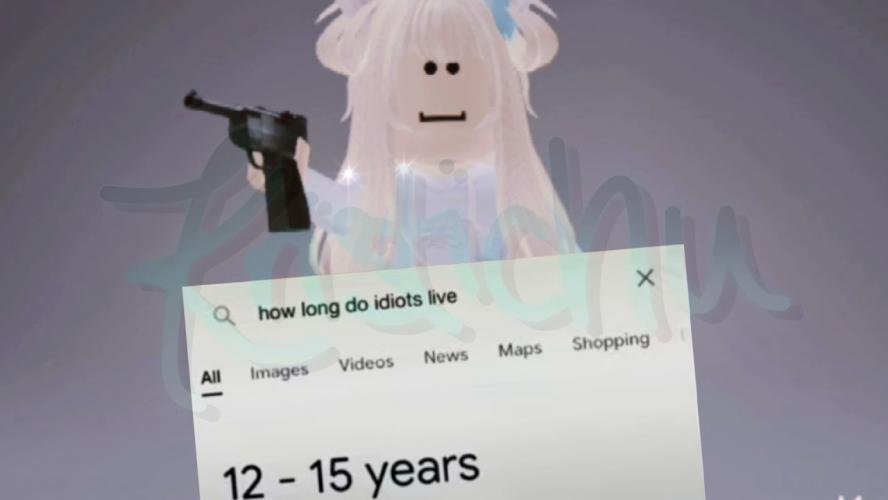
Another reason this phrase became so popular is that it allowed users to create emotional or romantic meme scenarios. Many TikTok creators used the phrase as part of short videos where someone searches “how long do idiots live,” sees a fictional answer like “12 to 15 years,” and then emotionally says goodbye to a friend, partner, or crush by calling them an idiot in a joking way. This combination of comedy and fake sadness turned the trend into an emotional meme format that resonated strongly with viewers.
Today, the phrase continues to appear across internet platforms, proving how powerful meme culture has become in shaping online language. Although the phrase itself is not based on any scientific truth, its popularity reflects modern communication styles, social bonding through humor, and the way viral content spreads across digital communities.
The Origin of the “How Long Do Idiots Live” Meme
Understanding where the phrase originated helps explain why it became so influential online. Like many internet trends, the exact first creator is difficult to identify because meme culture spreads rapidly through reposts and edits. However, the phrase gained major popularity through TikTok during the early 2020s. Users began creating short videos built around a fictional internet search that supposedly answered the question with an absurd lifespan.
The most common version of the meme follows a specific structure. A person searches “how long do idiots live,” then a fake answer appears saying something like “12–15 years.” After seeing this result, the person sends a goodbye message to someone they jokingly call an idiot. Usually, emotional music plays in the background while the recipient reacts with confusion. The humor comes from the dramatic overreaction to an obviously fake search result.
This format became extremely successful because it combined multiple emotional elements at once. It had comedy, emotional storytelling, sarcasm, fake sadness, and relationship humor all wrapped into one short clip. Since TikTok’s algorithm rewards emotionally engaging content, these videos quickly gained millions of views.
Another important factor behind the trend’s popularity is relatability. Internet users often jokingly insult close friends, siblings, or romantic partners as a playful form of affection. The meme transformed this everyday behavior into a dramatic fictional story, which made audiences instantly understand and connect with the joke.
As more creators copied the trend, the phrase spread beyond TikTok to platforms like Instagram, Snapchat, YouTube, and Facebook. Meme pages began posting screenshots of fake Google results, while users adapted the format into new joke variations. Some people even created edits involving fictional characters, celebrities, anime personalities, or gaming communities.
The meme also reflects the internet’s fascination with absurdity. Online humor often thrives on completely illogical statements presented seriously. Asking “how long do idiots live” feels absurd because intelligence cannot scientifically determine an exact lifespan. That absurdity itself became part of the comedy.
Why This Phrase Became So Popular Online
Internet trends become popular for specific psychological and social reasons. In the case of “how long do idiots live,” several important factors contributed to its massive success across social media platforms.
First, the phrase immediately captures attention because it sounds unusual. People naturally become curious when they encounter strange or controversial questions. Curiosity is one of the strongest drivers of online engagement. Users click, search, comment, and share because they want to understand the context behind the phrase.
Second, the meme fits perfectly into short-form video culture. Platforms like TikTok reward content that quickly creates emotional reactions. The phrase allows creators to build an emotional setup within seconds. Audiences instantly recognize the joke format, making the content easy to consume and share repeatedly.
Third, the meme encourages participation. Viral trends spread faster when users can easily recreate them using their own friends, family members, or partners. Since the joke format is simple, millions of users adapted it for personal situations. This helped the trend maintain popularity over time.
Another major reason for its success is emotional contrast. The videos often combine humor with sadness or affection. This emotional mixture makes content feel more engaging than simple comedy alone. Audiences enjoy the dramatic exaggeration because it turns a harmless joke into a fake emotional moment.
Social media algorithms also played a massive role. Platforms prioritize content that receives comments, shares, and watch-time engagement. Since viewers often replayed these videos to understand the joke or read captions, algorithms pushed the trend to larger audiences.
Additionally, meme culture today values irony and randomness. Many younger users enjoy humor that intentionally makes little logical sense. The phrase fits perfectly into this style of internet comedy because it sounds ridiculous while still creating a recognizable emotional narrative.
The trend also benefited from visual storytelling. Creators used emotional songs, dramatic transitions, crying filters, and text overlays to enhance the joke. This multimedia presentation increased emotional engagement and made the meme more memorable.
Is There Any Scientific Meaning Behind the Phrase?
Despite how frequently the phrase appears online, there is absolutely no scientific evidence supporting the idea that intelligence directly determines an exact lifespan. The meme is entirely fictional and should not be interpreted literally.
Human lifespan depends on numerous complex factors, including genetics, healthcare access, lifestyle choices, environment, nutrition, mental health, stress levels, socioeconomic conditions, and medical history. Intelligence alone cannot predict how long someone will live.
Some scientific studies have explored connections between education, cognitive function, and health outcomes, but these findings are often misunderstood online. Researchers sometimes observe that individuals with better education or cognitive skills may make healthier lifestyle decisions on average. However, this does not mean people labeled as “idiots” have shorter lives.
The internet often transforms serious scientific topics into simplified jokes or exaggerated memes. In this case, the phrase gained popularity because audiences understood it was intentionally ridiculous. Most users never interpreted it as factual information.
It is also important to understand that intelligence itself is extremely difficult to define. Human intelligence includes emotional intelligence, creativity, problem-solving ability, social understanding, communication skills, adaptability, and many other qualities. Reducing intelligence to a simple insult ignores the complexity of human behavior.
The meme works because people recognize the absurdity. Nobody genuinely expects a search engine to provide a precise expiration date for “idiots.” Instead, the fake answer creates shock value and comedic exaggeration.
This reflects a broader trend within internet humor where fake screenshots, edited search results, and fictional facts become part of entertainment culture. Audiences enjoy pretending these false statements are real for comedic purposes.
The Role of TikTok in Viral Meme Culture
TikTok has transformed how memes spread online. Before short-form video platforms became dominant, memes primarily spread through static images and text posts. Today, trends evolve through video storytelling, audio clips, and emotional editing techniques.
The “how long do idiots live” trend became successful largely because TikTok encourages rapid participation. Users can recreate trends within minutes using existing audio and formats. This creates a snowball effect where millions of creators contribute to the same meme ecosystem.
TikTok’s algorithm also differs from older social media systems. Instead of focusing mainly on followers, TikTok promotes content based on engagement and watch time. This allows small creators to generate viral content quickly if their videos capture audience attention.
Another reason TikTok helped popularize the phrase is the platform’s younger audience demographic. Younger users often embrace ironic humor, exaggerated emotional reactions, and surreal comedy styles. The meme perfectly matched these preferences.
TikTok also encourages emotional storytelling through music. Many creators paired the meme with sad songs or nostalgic audio tracks, transforming simple jokes into dramatic mini-stories. This emotional presentation increased viewer engagement significantly.
In addition, TikTok trends thrive on imitation. Once users recognize a successful format, they recreate it using different people or situations. This repetitive structure strengthens meme recognition and spreads trends globally.
The phrase eventually escaped TikTok and became part of mainstream internet culture. Today, many people recognize the meme even if they never used TikTok directly. This demonstrates the platform’s enormous influence on modern digital communication.
Internet Humor and the Psychology of Memes
The success of this meme reveals interesting insights about human psychology and online behavior. Memes function as social tools that help people connect, express emotions, and participate in group culture.
Humor often depends on surprise or violated expectations. The phrase “how long do idiots live” surprises audiences because it sounds strangely serious despite being absurd. This unexpected combination triggers amusement.
Memes also provide social bonding opportunities. When people share memes with friends, they strengthen relationships through shared humor and cultural references. Sending this meme to a close friend signals familiarity and playful affection.
Another psychological factor is emotional safety. Internet users can express emotions indirectly through memes instead of direct conversations. The dramatic “goodbye” format allows people to show affection while hiding behind humor.
Irony is another major component of internet comedy. Modern meme culture often avoids sincere emotional expression. Instead, users communicate through layers of sarcasm, exaggeration, and absurdity. This meme fits perfectly within that communication style.
The meme’s popularity also reflects how digital communities create inside jokes. Once enough people recognize a meme format, understanding it becomes part of participating in internet culture itself.
Additionally, humor helps people cope with stress and uncertainty. Online communities often use absurd jokes to escape daily pressures. Random viral trends provide temporary entertainment and emotional distraction.
How Social Media Changes Language and Communication
One fascinating aspect of viral phrases is how they influence everyday language. Social media constantly introduces new slang, expressions, and communication styles that eventually become part of mainstream conversation.
The phrase “how long do idiots live” demonstrates how internet humor can transform ordinary words into cultural references. Outside meme culture, the phrase sounds insulting or confusing. Within internet communities, however, it represents a recognizable joke format associated with affection and exaggerated drama.
Digital communication also relies heavily on context. The meaning of phrases changes depending on how they are used online. Many internet jokes appear offensive to outsiders but feel harmless within specific communities because participants understand the underlying humor.
Memes also encourage shorter communication styles. Instead of explaining emotions directly, users reference trends or viral phrases to convey feelings instantly. A simple meme reference can communicate friendship, irony, sadness, or humor without lengthy explanations.
Social media platforms accelerate these linguistic changes because millions of users interact simultaneously. Trends that once took years to spread can now become global within days.
Another interesting development is the blending of visual and textual communication. Modern memes rely on captions, images, music, editing, and reactions simultaneously. Language online is no longer purely text-based.
The internet has essentially created its own evolving cultural dialect shaped by algorithms, communities, and viral participation.
Why Younger Audiences Relate to This Meme
Teenagers and younger internet users especially connected with this trend because it reflects their communication style and emotional humor preferences.
Younger generations often use playful insults as expressions of friendship. Calling someone an “idiot” among close friends usually signals affection rather than hostility. The meme transforms this behavior into a dramatic joke.
Additionally, Gen Z humor frequently combines absurdity with emotional vulnerability. Many younger users prefer ironic emotional expression instead of openly serious communication. The meme’s fake sadness perfectly fits this style.
Short attention spans also influence meme design. Younger audiences consume content rapidly, so successful memes must communicate quickly. This trend delivers a complete emotional story within seconds.
The meme also benefits from relatability. Most users have at least one friend they jokingly tease regularly. Seeing this dynamic represented online feels familiar and entertaining.
Another factor is digital identity. Participating in viral trends helps younger users feel connected to online communities. Recreating memes becomes a form of cultural participation.
Finally, younger audiences are highly accustomed to internet irony. They recognize that the meme is intentionally fake, which allows them to enjoy the joke without taking it seriously.
The Difference Between Harmless Humor and Toxic Behavior
Although the meme is generally harmless, it also raises important conversations about online behavior and respectful communication.
Humor depends heavily on context. Among close friends, playful teasing may strengthen relationships. However, similar language used aggressively or repeatedly can become harmful or bullying behavior.
The internet sometimes blurs these boundaries because tone is difficult to interpret online. What feels funny to one person may feel hurtful to another. This is why understanding audience, intention, and context matters in digital communication.
Fortunately, most uses of the “how long do idiots live” meme involve obvious exaggeration and affectionate humor rather than genuine hostility. The emotional tone usually signals playfulness.
Still, internet culture benefits from empathy and awareness. Viral trends can influence behavior, especially among younger audiences. Encouraging respectful humor helps create healthier online communities.
Memes themselves are not inherently harmful. In many cases, they provide emotional connection, creativity, and entertainment. Problems arise only when humor becomes targeted harassment or cruelty.
Understanding this distinction is important in modern digital culture where jokes spread rapidly across enormous audiences.
The Evolution of Meme Trends in Modern Internet Culture
The rise of this phrase represents a broader evolution in how memes function today. Early internet memes often focused on simple images with captions. Modern memes are more interactive, emotional, and multimedia-driven.
Today’s viral content often combines storytelling, editing, music, reactions, and audience participation. Memes evolve rapidly through collaboration across millions of users.
Another major change is meme lifespan. Trends now rise and disappear much faster due to algorithm-driven platforms. A meme may dominate social media for weeks before being replaced by new content.
However, certain phrases survive because they become recognizable cultural references. “How long do idiots live” achieved this status because it created a reusable emotional format rather than a one-time joke.
Modern memes also blur boundaries between sincerity and irony. Many viral trends contain genuine emotions hidden beneath humor. This complexity reflects changing communication styles among internet users.
The future of meme culture will likely continue emphasizing short-form video, participatory trends, emotional storytelling, and ironic humor.
Conclusion
The phrase “how long do idiots live” may sound bizarre at first, but its popularity reveals a great deal about modern internet culture, humor, and communication. What started as a simple viral meme evolved into a global trend recognized across multiple social media platforms. The phrase became successful because it combined absurd comedy, emotional storytelling, relatability, and participatory humor in a format perfectly suited for TikTok and modern digital culture.
Importantly, the meme has no scientific basis. It exists purely as internet entertainment designed to create emotional reactions and social engagement. Most users understand the phrase as ironic humor rather than factual information.
The trend also highlights how younger generations communicate online through memes, sarcasm, emotional exaggeration, and shared cultural references. Internet humor today often depends less on traditional punchlines and more on emotional contrast, randomness, and relatability.
As social media continues evolving, viral phrases like this will keep shaping digital communication and online communities. Memes are no longer just jokes; they are cultural symbols that reflect how people interact, express emotions, and connect through the internet.
FAQs
What does “how long do idiots live” mean?
The phrase is part of a viral internet meme popularized on TikTok and other social media platforms. It is used humorously and is not meant to be taken literally.
Is there scientific proof behind the meme?
No, there is no scientific evidence suggesting intelligence determines a specific lifespan. The meme is entirely fictional and comedic.
Why did the meme become popular?
The meme became popular because it combined emotional storytelling, humor, irony, and relatable friendship dynamics in short-form videos.
Where did the trend start?
The trend gained massive popularity on TikTok before spreading to Instagram, YouTube, Snapchat, and other social media platforms.
Is the meme offensive?
In most cases, the meme is used playfully among friends. However, humor depends on context, and people should avoid using jokes in genuinely hurtful ways.
Why do younger audiences enjoy this type of humor?
Younger internet users often enjoy ironic, exaggerated, and absurd humor styles. The meme fits perfectly into modern meme culture and TikTok trends.
Are memes important in internet culture?
Yes, memes play a major role in digital communication. They help people share emotions, humor, opinions, and cultural references quickly across online communities.