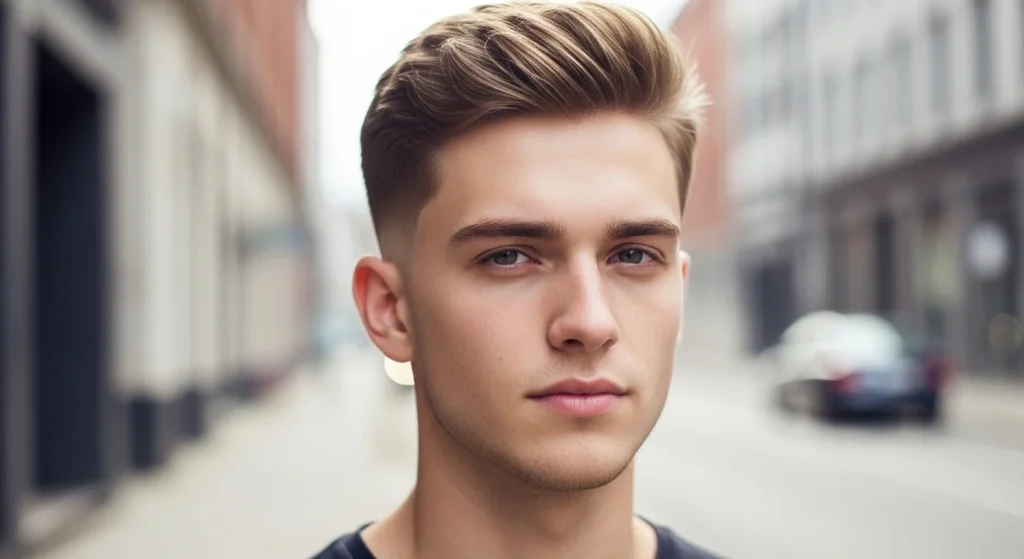
The low taper fade haircut has become one of the most popular and stylish hairstyles in modern grooming culture. Over the past decade, this haircut has transformed from a simple barbering technique into a global fashion trend embraced by celebrities, athletes, musicians, professionals, and everyday individuals alike. Whether someone prefers a clean professional appearance or a fashionable street-style aesthetic, the low taper fade offers a versatile solution that works across multiple styles and personalities.
Modern hairstyles are no longer just about keeping hair neat and manageable. In today’s image-conscious world, haircuts are closely connected to confidence, identity, fashion, and self-expression. A well-executed low taper fade can dramatically enhance facial features, improve personal style, and create a polished overall appearance. This is one reason why barbers around the world receive constant requests for variations of taper fades every day.
The popularity of the low taper fade haircut continues growing because it blends classic barbering principles with modern style trends. Unlike extreme hairstyles that quickly go out of fashion, the low taper fade maintains a timeless quality while still appearing trendy and fresh. It works exceptionally well with different hair textures, face shapes, and grooming preferences, making it one of the most adaptable hairstyles available today.
This comprehensive guide explores everything about the low taper fade haircut, including its origins, styling variations, maintenance tips, cultural significance, celebrity influence, barbering techniques, and why it remains one of the most requested hairstyles worldwide.
What Is a Low Taper Fade Haircut?
A low taper fade haircut is a hairstyle where the hair gradually decreases in length around the lower sides and back of the head. The fading effect begins lower near the ears and neckline rather than higher up on the scalp, creating a softer and more subtle transition.
The haircut combines two barbering concepts:
- Tapering
- Fading
A taper gradually shortens the hair length near the neckline and sideburns. A fade blends the hair smoothly into shorter lengths, often down to the skin or very short stubble.
The low taper fade specifically keeps most of the transition lower on the head, resulting in a cleaner and more conservative appearance compared to mid or high fades.
This haircut is extremely versatile because it can be paired with:
- Curly hair
- Straight hair
- Wavy hair
- Textured tops
- Pompadours
- Afros
- Buzz cuts
- Dreadlocks
Its flexibility makes it suitable for nearly every lifestyle and fashion preference.
Why the Low Taper Fade Became So Popular
The low taper fade became globally popular because it balances style, professionalism, and modern grooming trends perfectly.
Clean Yet Stylish Appearance
One of the main reasons people choose this haircut is because it looks sharp without appearing too aggressive. The fade remains subtle enough for professional settings while still providing a fashionable edge.
Versatility Across Hair Types
The low taper fade works well with:
- Thick hair
- Thin hair
- Curly textures
- Straight textures
- Coarse hair
- Wavy styles
Very few hairstyles offer this level of flexibility.
Easy Personalization
Every barber can customize a low taper fade differently depending on:
- Face shape
- Hair density
- Personal style
- Desired sharpness
This customization allows individuals to create unique looks while maintaining the same core haircut structure.
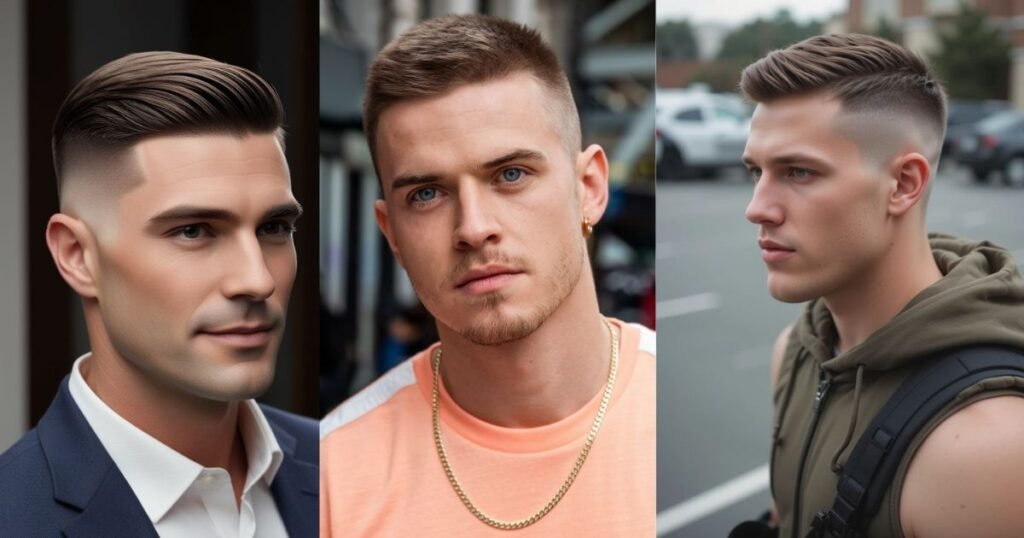
Celebrity and Social Media Influence
Social media platforms such as Instagram, TikTok, and YouTube played a huge role in popularizing fade hairstyles. Athletes, rappers, influencers, and actors frequently showcase low taper fades, inspiring millions of fans worldwide.
The History of Fade Haircuts
Fade haircuts have deep roots in barbering culture. Although fades became especially mainstream during the late twentieth century, variations of tapered hairstyles existed long before modern fashion trends.
Military grooming standards influenced the development of cleaner and shorter haircut styles. Over time, barbers refined fading techniques to create smoother transitions and sharper finishes.
By the 1980s and 1990s, fade haircuts became strongly connected to:
- Hip-hop culture
- Basketball culture
- Urban fashion
- Streetwear aesthetics
As barbering evolved into an artistic profession, fades became more detailed and technically advanced. Today, fade haircuts are considered one of the highest skill demonstrations in professional barbering.
Difference Between Low, Mid, and High Taper Fades
Many people become confused when choosing between low, mid, and high taper fades.
Low Taper Fade
The fade begins lower near the ears and neckline. It creates a subtle and professional appearance.
Mid Taper Fade
The transition begins around the middle section of the head, creating stronger contrast and a more modern aesthetic.
High Taper Fade
The fade starts much higher near the temples, producing dramatic contrast and a bold appearance.
Among these options, the low taper fade remains the most balanced and versatile for everyday wear.
Why Face Shape Matters
A good barber considers facial structure carefully before designing a low taper fade.
Oval Faces
Oval face shapes work well with almost every variation of low taper fades because of their balanced proportions.
Round Faces
Low taper fades can help add definition and structure to rounder faces when combined with volume on top.
Square Faces
Strong jawlines pair exceptionally well with clean tapered edges and sharp lineups.
Long Faces
A lower fade helps maintain visual balance without making the face appear excessively elongated.
Professional barbers often adjust the fade height and blending technique according to facial proportions.
Best Hair Types for a Low Taper Fade
One reason the low taper fade became so successful is its compatibility with different hair textures.
Straight Hair
Straight hair creates sharp and clearly visible fade transitions. It works especially well with slick-back styles and textured crops.
Curly Hair
Curly hair combined with a low taper fade creates excellent contrast between volume and clean edges.
Wavy Hair
Wavy textures provide a relaxed and natural appearance that complements subtle fades beautifully.
Afro Hair
Afro-textured hair works exceptionally well with low taper fades because the haircut enhances shape and structure while preserving natural texture.
Popular Low Taper Fade Variations
The low taper fade can be customized into numerous stylish variations.
Low Taper Fade with Curly Top
This style keeps curls voluminous on top while maintaining clean faded edges.
Low Taper Fade with Textured Crop
A textured crop paired with a low taper creates a modern European-inspired hairstyle.
Low Taper Fade with Pompadour
The pompadour adds volume and elegance while the low fade keeps the sides clean.
Low Taper Fade with Beard
Blending the fade smoothly into a beard creates a masculine and polished appearance.
Low Taper Fade with Waves
Wave hairstyles combined with low tapers are especially popular in urban grooming culture.
Low Taper Fade with Dreadlocks
Many individuals pair dreadlocks or twists with low tapers for a stylish contrast between texture and precision.
Barbering Skill and Precision
Executing a high-quality low taper fade requires significant barbering skill.
Professional barbers use:
- Clippers
- Guards
- Trimmers
- Razors
- Shears
to create seamless transitions between different hair lengths.
A good fade should appear:
- Smooth
- Balanced
- Symmetrical
- Clean
Precision blending separates average fades from elite barbering work.
Importance of Hairlines and Lineups
Hairlines play a major role in fade aesthetics.
Many low taper fades include:
- Sharp lineups
- Edge-ups
- Defined temple lines
These details create a cleaner and more polished appearance.
A precise lineup can dramatically improve the overall haircut presentation.
Low Taper Fade in Professional Environments
One reason low taper fades remain timeless is because they suit professional settings exceptionally well.
Unlike extreme hairstyles, low taper fades appear:
- Neat
- Sophisticated
- Controlled
- Professional
This makes them suitable for:
- Offices
- Business meetings
- Schools
- Formal events
The haircut successfully balances fashion and professionalism.
Social Media and Grooming Culture
Modern grooming culture has exploded online through:
- TikTok barber videos
- Instagram haircut pages
- YouTube tutorials
Barbers now showcase fade techniques as artistic craftsmanship.
This digital visibility increased public appreciation for:
- Precision fades
- Creative styling
- Hair transformation videos
The low taper fade became one of the most frequently featured hairstyles across social platforms.
Celebrity Influence on Low Taper Fade Trends
Celebrities strongly influence haircut trends.
Athletes, musicians, and actors often wear low taper fades because the haircut:
- Photographs well
- Looks clean on camera
- Works with multiple outfits
- Enhances facial features
Modern audiences frequently replicate celebrity hairstyles seen online and in entertainment media.
Hair Products for Low Taper Fades
The right products improve both style and maintenance.
Popular grooming products include:
- Pomade
- Hair clay
- Curl cream
- Texture spray
- Moisturizing mousse
- Beard oil
The best product depends on desired texture and hairstyle goals.
Maintaining a Low Taper Fade
Fade haircuts require regular upkeep to remain sharp.
Most individuals refresh low taper fades every:
- 1–3 weeks
Maintenance depends on:
- Hair growth speed
- Fade sharpness
- Grooming preferences
Consistent barber visits help preserve the haircut’s clean structure.
Confidence and Personal Style
Hairstyles significantly affect self-confidence and presentation.
A fresh low taper fade often creates:
- Better first impressions
- Increased confidence
- Improved style coordination
- Stronger personal identity
Modern grooming culture reflects the growing importance people place on appearance and self-care.
Why the Low Taper Fade Remains Timeless
Many hairstyle trends disappear quickly, but the low taper fade continues thriving because it combines:
- Versatility
- Simplicity
- Modern style
- Professional appeal
- Cultural relevance
Few hairstyles work equally well across:
- Casual settings
- Luxury fashion
- Sports culture
- Corporate environments
This adaptability ensures its long-term popularity.
The Future of Low Taper Fade Hairstyles
Hairstyle trends constantly evolve, but low taper fades continue adapting with modern fashion.
Future variations may include:
- More textured tops
- Creative line designs
- Hybrid fade combinations
- Personalized beard blending
- Experimental color styling
Despite changing trends, the low taper fade will likely remain one of the most requested hairstyles globally.
Conclusion
The low taper fade haircut represents the perfect balance between timeless barbering and modern fashion. Its clean appearance, versatility, and adaptability make it one of the most popular hairstyles in the world today. Whether paired with curls, waves, textured crops, pompadours, or natural hair, the low taper fade consistently delivers a polished and stylish appearance suitable for nearly every occasion.
Its rise through celebrity culture, social media influence, and professional grooming trends has transformed the haircut into a modern classic. More importantly, the low taper fade remains relevant because it works across different lifestyles, hair textures, and personal identities without losing its clean and fashionable appeal.
As grooming culture continues evolving, the low taper fade stands as a hairstyle that successfully combines confidence, creativity, and timeless style into one of the most versatile cuts ever created.
FAQs
What is a low taper fade haircut?
A low taper fade is a haircut where the hair gradually shortens near the lower sides and neckline for a smooth blended appearance.
Is a low taper fade professional?
Yes, the low taper fade is considered clean, stylish, and appropriate for professional environments.
How often should I maintain a low taper fade?
Most people maintain the haircut every 1–3 weeks depending on hair growth and grooming preferences.
Does a low taper fade work with curly hair?
Yes, curly hair pairs exceptionally well with low taper fades because the contrast creates a modern stylish appearance.
What is the difference between a low fade and a high fade?
A low fade begins near the neckline and ears, while a high fade starts much higher on the sides for stronger contrast.
Read More: