
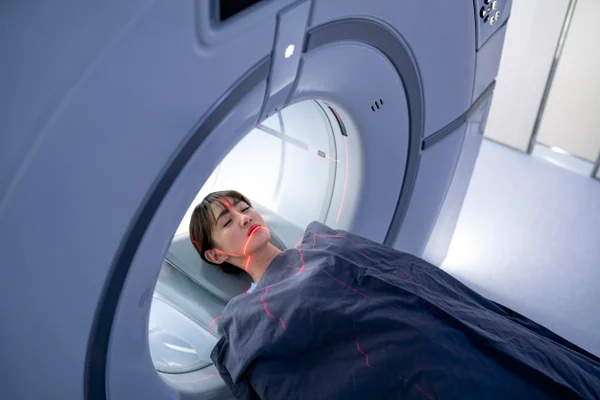
If you’re following MRI news, you know the field is advancing rapidly. Magnetic Resonance Imaging continues to evolve with smarter technology, better patient experiences, and expanded diagnostic capabilities that were unimaginable just a few years ago. Whether you’re a patient, healthcare professional, or simply curious about medical technology, staying updated on MRI news helps you understand how these developments improve health outcomes.
In this comprehensive guide, we explore the most significant recent updates, from helium-free systems to AI-powered scans and high-resolution brain imaging. These advancements are making MRI more accessible, comfortable, and effective than ever before.
What’s Driving the Latest MRI News
The pace of innovation in MRI technology has accelerated thanks to artificial intelligence, sustainable engineering, and a deeper understanding of human physiology. Major manufacturers like Siemens Healthineers, Philips, GE HealthCare, and United Imaging are introducing systems that address long-standing challenges such as high operating costs, long scan times, and patient discomfort.
Recent MRI news highlights a shift toward more efficient, eco-friendly, and patient-centered designs. These changes not only enhance image quality but also expand access to advanced imaging in smaller clinics and underserved areas.
Helium-Free MRI Systems: A Game-Changer for Sustainability
One of the biggest stories in MRI news this year involves helium-free and low-helium magnets. Traditional MRI scanners rely on large amounts of liquid helium to keep superconducting magnets cold, but helium is a finite and expensive resource. New DryCool technology from Siemens and similar innovations from GE HealthCare are dramatically reducing or eliminating helium dependency.
These systems are smaller, lighter, and easier to install, which lowers infrastructure costs and opens doors for more widespread adoption. Hospitals and imaging centers benefit from reduced operational expenses and greater environmental responsibility. For patients, this means more facilities may soon offer high-quality MRI services closer to home.
AI Integration Transforming Scan Speed and Quality
Artificial intelligence appears prominently in current MRI news. Deep learning reconstruction tools, such as Sonic DL and AIR Recon DL, allow significantly faster scans while maintaining or even improving image clarity. What once took 30–60 minutes can now be completed in a fraction of the time, reducing patient anxiety and increasing throughput for busy radiology departments.
AI also automates routine measurements and assists radiologists in detecting subtle abnormalities. This support leads to more consistent interpretations and potentially earlier diagnoses for conditions like tumors, multiple sclerosis, and neurological disorders.
High-Field and Low-Field Innovations Expanding Capabilities
Recent developments include both higher and lower field strength systems tailored to specific needs. Europe saw the introduction of the first 5T clinical MRI scanner, promising unprecedented detail across various body parts. Meanwhile, High-V .55T systems are gaining attention for reducing metal artifacts and enabling better imaging of lungs and musculoskeletal structures.
Low-field portable and affordable scanners are another exciting area in MRI news. These devices aim to bring MRI capabilities to emergency rooms, rural clinics, and even point-of-care settings for conditions like lung disease, making advanced imaging more accessible globally.
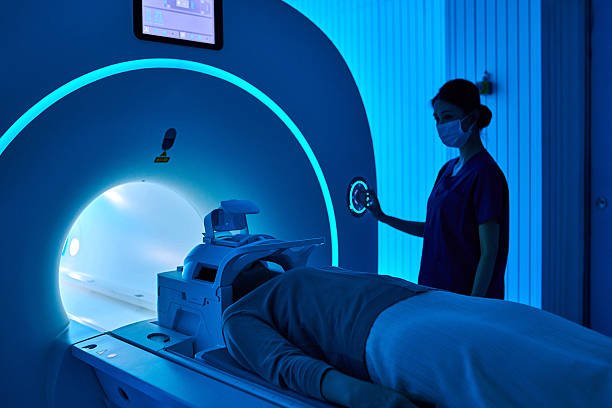
Breakthroughs in Brain Imaging and Multiplexed Techniques
Brain-related MRI news has been particularly impressive. Researchers at the University of Illinois demonstrated a new multiplexed MRI technology capable of mapping more than 20 biomarkers in a single 14-minute scan. This provides a comprehensive view of brain tumors, multiple sclerosis lesions, and other conditions in remarkable detail.
Ultra-high resolution 7T scanners continue to push boundaries, revealing microscopic structures that standard systems cannot detect. These advances hold great promise for understanding and treating neurological disorders, Alzheimer’s disease, and psychiatric conditions.
Improved Patient Comfort and Experience
Modern MRI news frequently emphasizes patient-centered design. Wider bores (up to 80 cm), quieter operation through noise-reduction technology, and in-scanner entertainment systems help alleviate claustrophobia and anxiety. Flexible pediatric coils and child-friendly environments further enhance comfort for younger patients.
Shorter scan times combined with these features make the entire process less daunting, encouraging more people to complete necessary imaging studies without delay.
Applications Across Medical Specialties
The latest MRI advancements impact nearly every area of medicine. In oncology, faster and more detailed scans improve tumor characterization and treatment planning. Cardiologists benefit from better motion handling and functional imaging of the heart. Orthopedic specialists gain clearer views of joints and soft tissues, even in patients with implants.
New contrast agents, including manganese-based alternatives, are being explored to provide safer options for patients with kidney concerns. These developments broaden the safe use of MRI across diverse patient populations.
Challenges and Considerations in Adopting New Technology
While MRI news is largely positive, healthcare providers must address implementation challenges. Training staff on new AI tools, managing higher upfront costs for advanced systems, and ensuring data privacy in connected devices remain important topics. Regulatory approvals and integration with existing hospital systems also require careful planning.
Despite these hurdles, the long-term benefits — including better diagnostic accuracy, improved efficiency, and expanded access — make the investment worthwhile for many institutions.
The Global Impact of MRI Advancements
Innovations highlighted in recent MRI news are not limited to wealthy nations. Indigenous scanner development in India and portable systems worldwide are helping close healthcare gaps. These efforts align with broader goals of equitable medical care and technological self-reliance in emerging markets.
International collaborations between universities, tech companies, and healthcare providers continue to drive progress at an impressive rate.
What the Future Holds for MRI Technology
Looking ahead, experts anticipate even greater integration of AI, quantum-inspired sensing, and real-time adaptive imaging. Portable and bedside MRI units may become more common, while predictive preview technologies could help technicians plan optimal scans before they begin.
Sustainability will remain a key focus, with more energy-efficient designs and reduced reliance on rare resources. These trends suggest MRI will become not only more powerful but also more practical and environmentally responsible.
MRI news in 2026 reflects an exciting era of transformation in medical imaging. From helium-free systems and AI acceleration to multiplexed biomarker mapping and enhanced patient comfort, these developments are reshaping how doctors diagnose and treat diseases.
Whether you’re researching a personal health concern or exploring career opportunities in radiology, staying informed about MRI news empowers better decisions and deeper appreciation for this vital technology. As innovations continue, MRI promises to play an even more central role in precision medicine and improved healthcare outcomes worldwide.
FAQ
What are the most important recent developments in MRI news?
Key highlights include helium-free scanners, AI-powered faster imaging, multiplexed brain biomarker mapping, and wider-bore designs for better patient comfort.
Are new MRI scanners safer and more comfortable?
Yes. Modern systems feature quieter operation, shorter scan times, wider bores, and child-friendly options that significantly reduce anxiety and improve the overall experience.
How is AI changing MRI technology?
AI reduces scan times, enhances image quality from less data, automates measurements, and assists radiologists in detecting subtle abnormalities more consistently.
Will MRI become more accessible in smaller clinics?
Absolutely. Helium-free and portable low-field systems are lowering costs and simplifying installation, bringing advanced imaging to more locations.
What should patients know before getting an MRI in 2026?
Expect potentially shorter, quieter scans with better comfort features. Always follow preparation instructions and discuss any concerns like metal implants or claustrophobia with your doctor.
Other Article:
Dyson Air Conditioner: Honest Review of Their Cooling and Air Treatment Solutions in 2026