
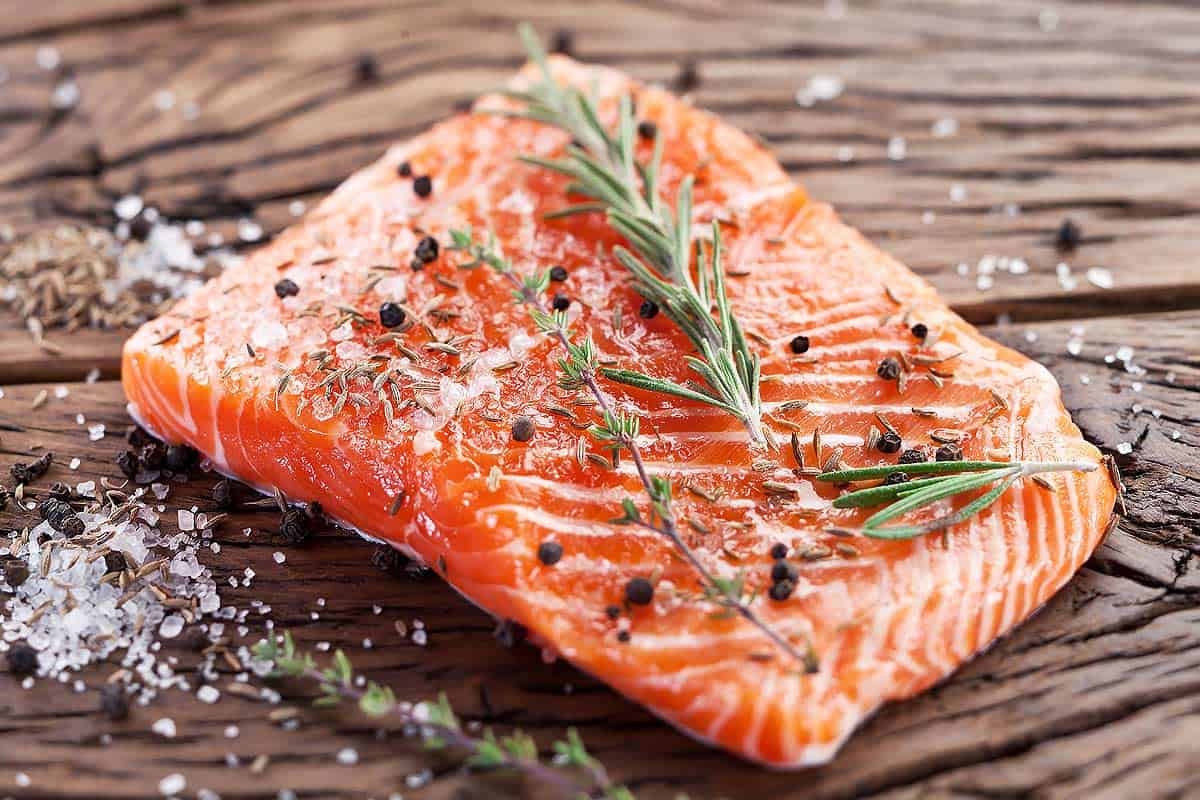
Cooking salmon perfectly is both an art and a science, and at the heart of it lies one critical factor: temperature. Whether you are baking, grilling, pan-searing, or poaching, understanding the correct salmon temperature ensures not only safety but also the ideal texture, flavor, and moisture.
Salmon is one of the most popular fish in the world, known for its rich taste and high nutritional value. As a nutrient-dense Salmon, it is packed with protein, omega-3 fatty acids, and essential vitamins. However, cooking it incorrectly—either undercooking or overcooking—can lead to undesirable results.
In this detailed guide, we will explore everything you need to know about salmon temperature, including safe internal temperatures, cooking methods, doneness levels, and expert tips to help you achieve restaurant-quality results every time.
Why Salmon Temperature Matters
Temperature plays a crucial role in cooking salmon because it directly affects the fish’s texture, moisture, and safety. Unlike red meat, salmon has delicate muscle fibers that can quickly become dry and tough if exposed to excessive heat.
Cooking salmon to the right temperature ensures:
- The fish is safe to eat
- The texture remains tender and flaky
- The natural oils are preserved
- The flavor is enhanced
Understanding temperature allows you to control the cooking process with precision, making the difference between a dry fillet and a perfectly moist one.
Recommended Internal Temperature for Salmon
According to the USDA, the safe internal temperature for cooked fish, including salmon, is:
- 145°F (63°C) measured at the thickest part
At this temperature, the fish is fully cooked, opaque, and flakes easily with a fork.
However, many chefs and culinary experts prefer slightly lower temperatures for better texture and moisture retention.
Chef-Preferred Salmon Temperatures
Professional chefs often cook salmon to a lower internal temperature than the USDA recommendation to achieve a more tender and juicy result.
Here are common doneness levels:
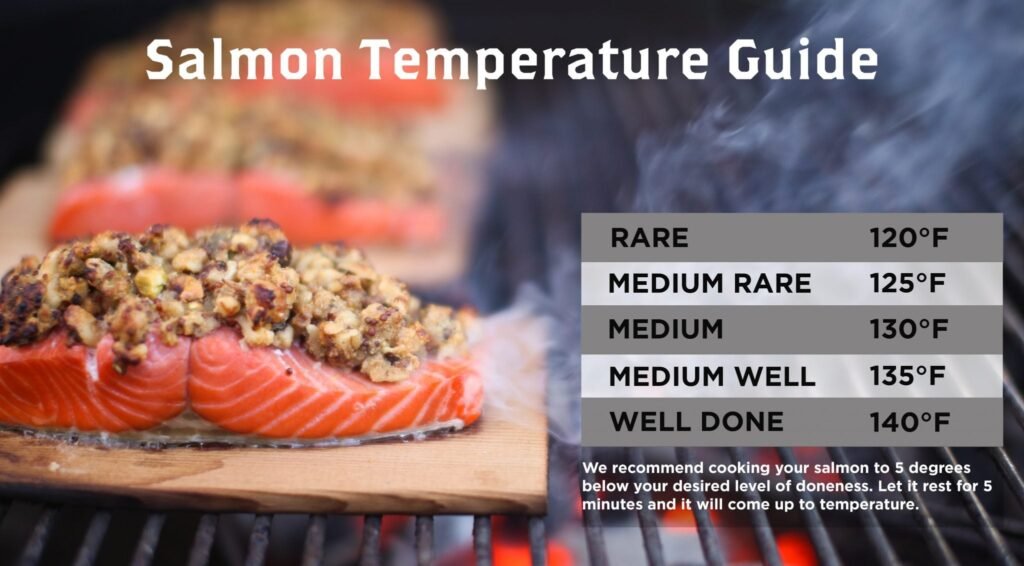
- Rare: 110–115°F (43–46°C)
- Medium-Rare: 120–125°F (49–52°C)
- Medium: 130–135°F (54–57°C)
- Well Done (USDA): 145°F (63°C)
Cooking salmon to medium or medium-rare results in a softer, more buttery texture, while higher temperatures produce a firmer and drier consistency.
Visual Signs of Doneness
While a thermometer is the most accurate tool, visual cues can also help determine when salmon is done.
Undercooked Salmon
- Deep translucent center
- Very soft texture
- Does not flake easily
Perfectly Cooked Salmon
- Opaque on the outside
- Slightly translucent in the center
- Flakes easily with a fork
Overcooked Salmon
- Dry and chalky texture
- White protein (albumin) visible on surface
- Cracks forming on top
Learning these visual indicators can help you cook salmon perfectly even without a thermometer.
Cooking Methods and Ideal Temperatures
Different cooking methods require different temperature approaches. Understanding these variations helps you achieve the best results.
Baking Salmon
Baking is one of the easiest and most consistent ways to cook salmon.
Recommended Oven Temperature
- 350°F to 400°F (175°C to 200°C)
Internal Target
- 125°F to 135°F for moist results
- 145°F for fully cooked
Baking allows for even heat distribution, making it ideal for beginners and large portions.
Grilling Salmon
Grilling adds a smoky flavor and crispy exterior.
Grill Temperature
- Medium heat (375°F to 450°F)
Internal Target
- 125°F to 135°F
Grilling requires careful monitoring to prevent overcooking, especially since direct heat can dry out the fish quickly.
Pan-Seared Salmon
Pan-searing creates a crispy skin while keeping the inside tender.
Cooking Temperature
- Medium-high heat
Internal Target
- 120°F to 130°F
Start with skin-side down and cook most of the time on that side to achieve a crisp texture.
Poaching Salmon
Poaching involves gently cooking salmon in liquid.
Liquid Temperature
- 160°F to 180°F (not boiling)
Internal Target
- 120°F to 130°F
This method preserves moisture and is ideal for delicate, tender salmon.
Sous Vide Salmon
Sous vide is a precision cooking method that uses controlled water temperature.
Recommended Temperatures
- 110°F for very soft texture
- 120°F for tender and flaky
- 130°F for firmer texture
Sous vide allows for exact temperature control, making it nearly impossible to overcook salmon.
Resting Time After Cooking
Just like meat, salmon continues to cook slightly after being removed from heat. This is known as carryover cooking.
Allowing salmon to rest for 3 to 5 minutes helps:
- Even out internal temperature
- Retain juices
- Improve texture
This small step can significantly enhance the final result.
Common Mistakes to Avoid
Cooking salmon may seem simple, but several common mistakes can ruin the dish.
Overcooking
The most frequent mistake is cooking salmon too long, leading to dryness.
Cooking at Too High Heat
Excessive heat can burn the outside while leaving the inside undercooked.
Not Using a Thermometer
Guessing doneness often leads to inconsistent results.
Skipping Rest Time
Cutting into salmon immediately can cause juices to escape.
Avoiding these mistakes ensures consistently excellent results.
Nutritional Benefits of Salmon
Salmon is not only delicious but also highly nutritious.
It is rich in:
- Omega-3 fatty acids
- High-quality protein
- Vitamin D
- B vitamins
Proper cooking temperature helps preserve these nutrients, making salmon a healthy addition to any diet.
Food Safety Considerations
Food safety is essential when cooking fish. Always ensure:
- Salmon is stored properly
- Cross-contamination is avoided
- Internal temperature reaches safe levels
Following guidelines from organizations like the USDA helps prevent foodborne illness.
Tips for Perfect Salmon Every Time
To consistently achieve great results:
- Use a digital thermometer
- Cook slightly below target temperature and let it rest
- Choose fresh, high-quality salmon
- Season simply to enhance natural flavor
- Monitor cooking time closely
These tips can elevate your cooking and ensure restaurant-quality salmon at home.
Conclusion
Understanding salmon temperature is the key to mastering one of the most محبوب and nutritious fish in the world. From the USDA’s recommended 145°F to chef-preferred lower temperatures, knowing when to stop cooking can make all the difference.
Whether you prefer your salmon medium-rare and buttery or fully cooked and firm, controlling temperature allows you to achieve the perfect balance of safety, flavor, and texture. With the right techniques, tools, and knowledge, anyone can cook salmon to perfection.
FAQs
What is the safest internal temperature for salmon?
The USDA recommends 145°F (63°C) for fully cooked and safe salmon.
Can salmon be eaten medium-rare?
Yes, many chefs prefer salmon at 120°F–125°F for a tender and moist texture, but it should be high-quality and handled safely.
How do I know if salmon is done without a thermometer?
Look for opaque flesh that flakes easily with a fork and has a slightly translucent center.
Why does white stuff come out of salmon when cooking?
This is albumin, a protein that appears when salmon is overcooked or cooked at high heat.
What is the best temperature to cook salmon in the oven?
Bake salmon at 350°F–400°F and aim for an internal temperature of 125°F–135°F for best results.
Read More: