
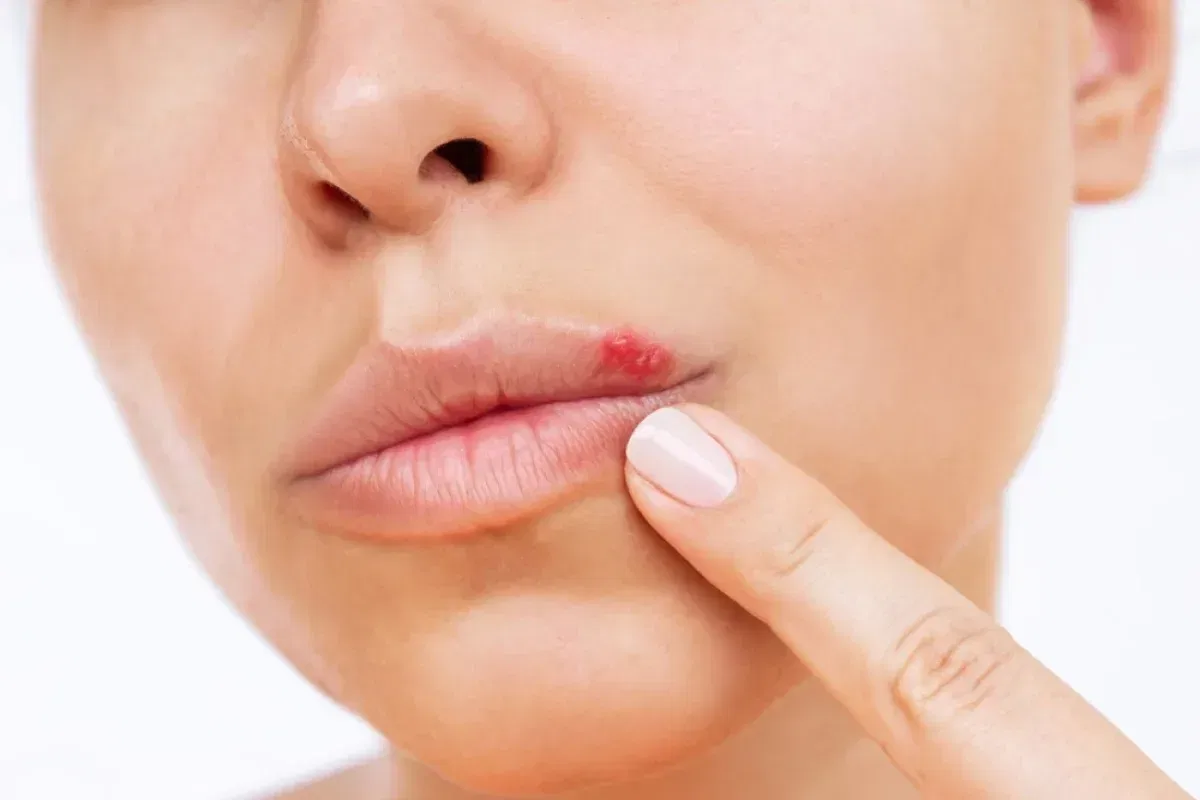
Herpes is one of the most common viral infections worldwide, yet it remains widely misunderstood due to stigma and lack of accurate information. When people search for “herpes photos in different stages,” they are often trying to understand how the condition appears over time, recognize symptoms early, and differentiate it from other skin conditions.
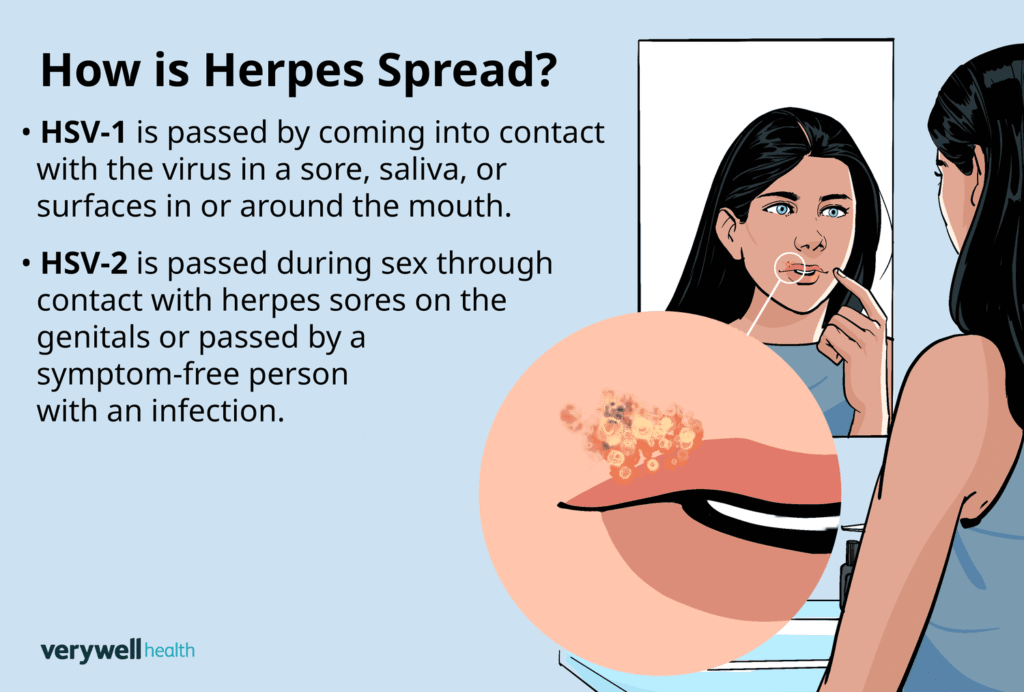
Herpes is caused by the Herpes Simplex Virus, which exists in two main types: HSV-1 (commonly associated with oral herpes) and HSV-2 (typically linked to genital herpes). While both types can affect either the oral or genital area, their symptoms and recurrence patterns may vary.
In this detailed guide, we will walk you through the different stages of herpes, explain how it typically looks at each phase, and help you understand what to expect without relying on explicit imagery. This educational approach ensures clarity while maintaining sensitivity and safety.
Understanding Herpes: The Basics
Before diving into stages, it’s important to understand how herpes works. Once a person is infected with HSV, the virus remains in the body for life, hiding in nerve cells and reactivating periodically.
Herpes spreads through direct skin-to-skin contact, especially during active outbreaks. Many individuals may carry the virus without showing symptoms, which contributes to its widespread transmission.
The infection can affect various parts of the body, but it most commonly appears around the mouth (oral herpes) or genital region (genital herpes). Despite its lifelong presence, herpes is manageable and does not usually lead to severe health complications in healthy individuals.
Stage 1: Initial Exposure and Incubation Period
The first stage begins after exposure to the herpes virus. This phase is known as the incubation period and typically lasts between 2 to 12 days.
During this time, the virus enters the body through small breaks in the skin or mucous membranes. Most people do not notice any visible symptoms immediately, which can make early detection difficult.
However, some individuals may experience mild warning signs such as:
- Tingling or itching in the affected area
- Slight redness or sensitivity
- General discomfort
At this stage, there are usually no visible sores, which means “photos” of herpes would not show obvious signs yet. This is why many people unknowingly spread the virus before realizing they are infected.
Stage 2: Early Symptoms and Redness
As the virus begins to multiply, the next stage involves visible skin changes. This is when the first noticeable signs appear.
The affected area may become:
- Red and inflamed
- Slightly swollen
- Tender to the touch
People often describe this phase as a “burning” or “tingling” sensation, sometimes referred to as a prodrome phase. This stage is critical because it signals that an outbreak is about to occur.
In visual terms, photos from this stage would show mild redness and irritation, but no fully formed blisters yet. It can sometimes be mistaken for a rash, insect bite, or skin irritation.
Stage 3: Blister Formation
This is the most recognizable stage of herpes. Small, fluid-filled blisters begin to form on the skin.
These blisters are typically:
- Clustered together
- Clear or slightly cloudy in appearance
- Painful or sensitive
In oral herpes, these blisters appear around the lips or mouth and are often called cold sores. In genital herpes, they may appear on the genitals, buttocks, or surrounding areas.
Photos of herpes at this stage clearly show grouped blisters, which is a key distinguishing feature. The skin around the blisters may remain red and inflamed.
This stage can last several days and is highly contagious, as the fluid inside the blisters contains active virus particles.
Stage 4: Ulceration (Open Sores)
After the blisters form, they eventually break open, leading to the ulceration stage.
This stage is characterized by:
- Open sores or lesions
- Oozing fluid
- Increased pain or discomfort
The sores may appear shallow with a red base, and they can be quite sensitive. This is often considered the most uncomfortable stage of herpes.
In terms of appearance, photos during this phase show raw, open lesions rather than intact blisters. The surrounding skin may still be inflamed.
This stage is also highly contagious, and proper hygiene and care are essential to prevent spreading the virus to others or other parts of the body.
Stage 5: Crusting and Healing
As the body begins to fight the infection, the sores start to dry out and form a crust or scab.
During this healing stage:
- The sores become less painful
- Scabs form over the lesions
- The skin begins to repair itself
In photos, herpes at this stage looks like dry, crusted lesions rather than moist sores. This stage indicates that the outbreak is nearing its end.
Healing usually occurs within 1 to 2 weeks, depending on the individual and whether it is a first outbreak or a recurrence.
Stage 6: Recovery and Dormancy
Once the sores heal completely, the virus does not leave the body. Instead, it enters a dormant state within the nervous system.
During this phase:
- There are no visible symptoms
- The skin returns to normal
- The virus remains inactive
However, certain triggers such as stress, illness, fatigue, or weakened immunity can reactivate the virus, leading to future outbreaks.
Photos are not applicable at this stage since there are no visible signs, but it is an important part of understanding the full herpes cycle.
Differences Between First Outbreak and Recurrences
The first herpes outbreak is often the most severe. It may include additional symptoms such as:
- Fever
- Body aches
- Swollen lymph nodes
Subsequent outbreaks tend to be milder and shorter in duration. The stages remain the same, but symptoms are usually less intense.
Understanding this difference helps individuals manage expectations and reduce anxiety about future outbreaks.
Oral vs Genital Herpes Appearance
While the stages are similar, the location affects how herpes appears.
Oral herpes (HSV-1) commonly affects the lips and mouth, producing cold sores. Genital herpes (HSV-2) affects the genital and surrounding areas.
Despite these typical patterns, both virus types can infect either area, depending on transmission.
Conditions That Can Be Confused with Herpes
Many skin conditions resemble herpes, especially in early stages. These include:
- Acne or pimples
- Allergic reactions
- Ingrown hairs
- Other infections like Syphilis
This is why visual comparison alone is not always reliable. Medical testing is the most accurate way to confirm herpes.
When to Seek Medical Advice
If you notice symptoms that resemble herpes, it is important to consult a healthcare provider. Early diagnosis can help manage symptoms and reduce transmission risk.
Doctors may use physical examination, swab tests, or blood tests to confirm the infection.
Treatment and Management
Although herpes has no cure, it can be effectively managed with antiviral medications such as Acyclovir, Valacyclovir, and Famciclovir.
These medications help:
- Reduce the severity of outbreaks
- Shorten healing time
- Lower the risk of transmission
Lifestyle adjustments, stress management, and good hygiene also play a key role in controlling outbreaks.
Emotional and Social Impact
Beyond physical symptoms, herpes can have emotional and psychological effects due to stigma and misinformation.
Education and open communication are essential for reducing fear and promoting healthy relationships. Many people with herpes lead normal, fulfilling lives.
Conclusion
Understanding herpes photos in different stages is about more than just visual recognition—it’s about awareness, education, and responsible health management. From the initial tingling sensation to the final healing phase, each stage provides clues about what is happening in the body.
While images can help identify symptoms, they should always be combined with medical advice for accurate diagnosis. With proper care and knowledge, herpes can be managed effectively, allowing individuals to maintain a healthy and confident life.
FAQs
What do herpes look like in the early stage?
In the early stage, herpes may appear as redness, tingling, or mild irritation without visible blisters.
How long does each stage of herpes last?
Each stage can last a few days, with the full outbreak typically resolving within 1 to 2 weeks.
Can herpes be mistaken for other conditions?
Yes, herpes can resemble acne, rashes, or other infections like syphilis, especially in early stages.
Are herpes outbreaks always painful?
Pain levels vary. The first outbreak is usually more painful, while recurrent outbreaks tend to be milder.
Is it possible to have herpes without visible symptoms?
Yes, many people carry the virus without showing symptoms but can still transmit it.
Read More: